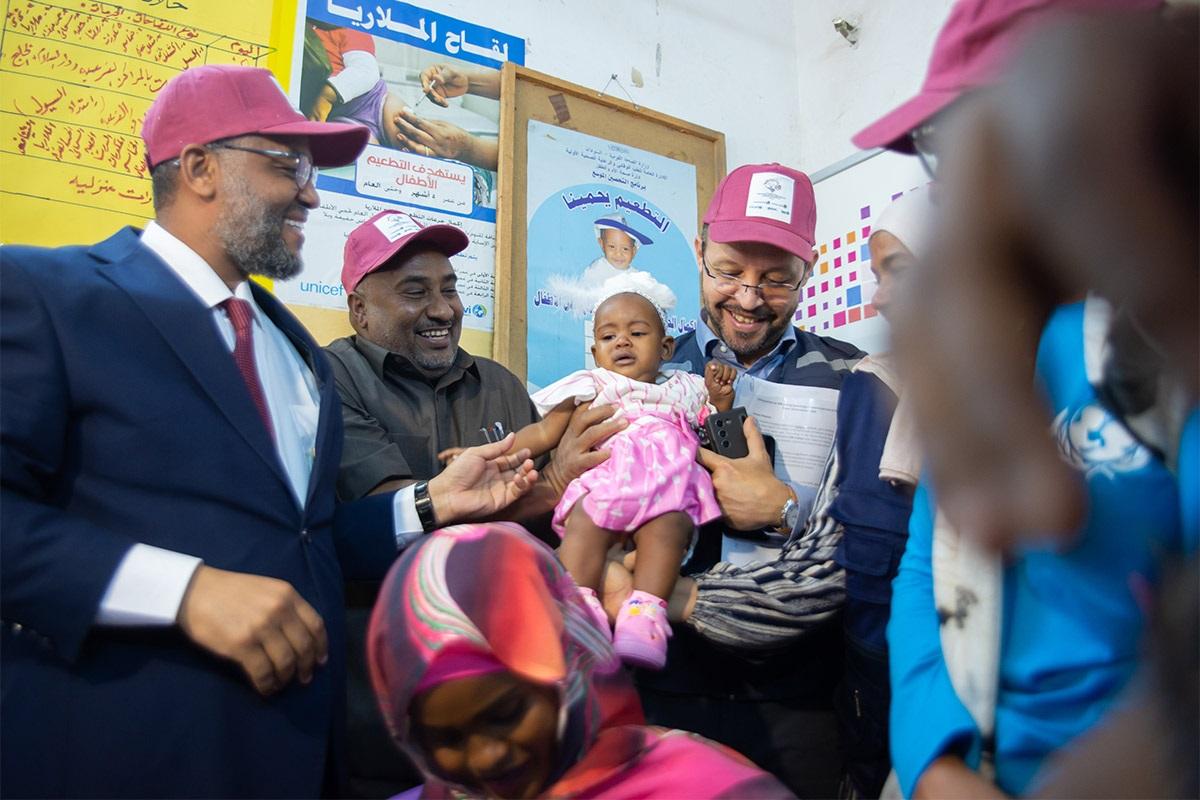
Gavi plans to use restored U.S. funding to expand malaria vaccination programs and strengthen global immunization efforts, improving healthcare access and disease prevention worldwide.


Introduction
Global health experts have welcomed a major development in international public health: the vaccine alliance Gavi, the Vaccine Alliance plans to direct restored U.S. funding toward malaria vaccination programs and broader immunization initiatives. The announcement comes at a critical time as countries continue efforts to reduce the burden of malaria while strengthening healthcare systems and protecting children from vaccine-preventable diseases.
The funding boost is expected to help expand access to life-saving vaccines, improve healthcare infrastructure, and support disease prevention efforts in regions facing some of the highest rates of malaria transmission. Public health leaders view the investment as a significant step toward achieving global health goals and reducing preventable deaths among vulnerable populations.
Understanding the Global Malaria Challenge
Malaria remains one of the world’s most significant infectious diseases. Caused by parasites transmitted through the bites of infected mosquitoes, the disease continues to affect millions of people annually, particularly in tropical and subtropical regions.
Children under five years of age are especially vulnerable to severe malaria complications. Pregnant women, individuals with weakened immune systems, and communities with limited healthcare access also face increased risks.
Despite decades of progress in prevention and treatment, malaria continues to place a substantial burden on healthcare systems and economies. Many affected countries spend considerable resources on treatment, hospitalization, prevention programs, and public health interventions.
Health experts emphasize that reducing malaria transmission requires a comprehensive approach that combines vaccination, mosquito control measures, rapid diagnosis, effective treatment, and community education.
Why the Funding Increase Matters
The restored U.S. funding provides Gavi with additional resources to support vaccination programs and strengthen healthcare delivery systems in low- and middle-income countries.
The investment is expected to contribute to:
- Expanded vaccine procurement and distribution.
- Increased access to malaria vaccines for children.
- Enhanced healthcare worker training.
- Improved disease surveillance systems.
- Strengthened vaccine storage and transportation networks.
- Greater support for routine childhood immunization programs.
According to global health specialists, sustained financial support is essential for ensuring that vaccines reach populations that need them most.
The Rise of Malaria Vaccination
One of the most significant advances in recent global health history has been the development and deployment of malaria vaccines.
For decades, researchers worked to create vaccines capable of reducing the impact of a disease caused by a complex parasite. Unlike many viral diseases, malaria presents unique scientific challenges due to the parasite’s intricate life cycle and ability to evade immune responses.
Today, malaria vaccines represent a promising new tool in the fight against the disease. While vaccines alone cannot eliminate malaria, they can significantly reduce severe illness, hospitalization, and death when used alongside other prevention strategies.
Health experts view malaria vaccination as an important addition to existing public health efforts.
Protecting Children Through Immunization
Children are expected to be among the primary beneficiaries of expanded malaria vaccination programs.
Vaccination programs can help:
- Reduce severe malaria cases.
- Lower hospitalization rates.
- Decrease childhood mortality.
- Improve long-term health outcomes.
- Support healthy growth and development.
When children remain healthy, communities also benefit through improved school attendance, reduced healthcare costs, and stronger economic productivity.
Many public health organizations consider childhood immunization one of the most cost-effective investments in healthcare.
Strengthening Healthcare Systems


The impact of vaccine funding extends far beyond the vaccines themselves.
Successful immunization programs require a robust healthcare infrastructure capable of storing, transporting, and administering vaccines safely and efficiently.
Funding can help countries improve:
Cold Chain Systems
Vaccines often require temperature-controlled storage throughout transportation and distribution. Investments in refrigeration equipment and logistics help ensure vaccine effectiveness.
Healthcare Workforce Development
Healthcare workers play a critical role in vaccine delivery, public education, and disease monitoring. Additional resources can support recruitment, training, and retention efforts.
Community Outreach
Public health campaigns help increase awareness about vaccination benefits and encourage participation in immunization programs.
Digital Health Systems
Many countries are adopting digital technologies to track vaccine coverage, monitor disease outbreaks, and improve healthcare planning.
Malaria Prevention Requires Multiple Strategies
Experts stress that vaccines should be viewed as one component of a broader malaria control strategy.
Other important interventions include:
Insecticide-Treated Bed Nets
Bed nets remain one of the most effective methods for reducing mosquito bites during sleeping hours.
Indoor Residual Spraying
Targeted insecticide spraying can reduce mosquito populations and decrease disease transmission.
Rapid Diagnostic Testing
Early diagnosis allows healthcare providers to begin treatment quickly and reduce complications.
Effective Treatment Access
Prompt treatment can prevent severe illness and improve patient outcomes.
Community Education
Public awareness campaigns help individuals understand prevention methods and recognize symptoms early.
Together, these strategies create a comprehensive defense against malaria.
Broader Benefits for Global Immunization
While malaria vaccination is a major priority, Gavi’s mission encompasses a much wider range of immunization programs.
The funding will also support vaccines that protect against diseases such as:
- Measles
- Polio
- Diphtheria
- Tetanus
- Pertussis (whooping cough)
- Rotavirus disease
- Pneumococcal infections
- Human papillomavirus (HPV)
Maintaining strong routine immunization programs helps prevent disease outbreaks and reduces strain on healthcare systems.
Public health experts warn that disruptions to vaccination services can quickly lead to the resurgence of diseases that had previously been controlled.
Economic Benefits of Vaccination
Vaccination programs generate significant economic returns.
Healthy populations contribute to:
- Higher workforce productivity.
- Lower healthcare expenditures.
- Improved educational outcomes.
- Reduced poverty-related health burdens.
- Greater economic resilience.
Studies have consistently shown that investments in preventive healthcare save money over time by reducing treatment costs and preventing illness.
For countries facing high malaria burdens, reducing disease transmission can produce substantial economic benefits by decreasing lost workdays and healthcare expenses.
Addressing Challenges in Vaccine Delivery
Despite progress, several obstacles remain.
Geographic Barriers
Remote communities often face difficulties accessing healthcare facilities due to long travel distances and limited transportation infrastructure.
Climate and Environmental Conditions
Extreme weather events can disrupt healthcare services and vaccine distribution networks.
Healthcare Workforce Shortages
Many regions continue to experience shortages of trained healthcare professionals.
Vaccine Hesitancy
Public health organizations continue working to provide accurate information about vaccine safety and effectiveness.
Addressing these challenges requires ongoing collaboration among governments, healthcare providers, international organizations, and local communities.
International Cooperation Remains Essential
The fight against malaria highlights the importance of global cooperation.
Governments, researchers, healthcare professionals, philanthropic organizations, and international institutions all contribute to disease prevention efforts.
Collaborative initiatives help:
- Share scientific knowledge.
- Coordinate vaccination campaigns.
- Support outbreak response efforts.
- Expand healthcare infrastructure.
- Improve access to life-saving interventions.
Health experts emphasize that infectious diseases do not respect borders, making international partnerships essential for protecting public health.
Looking Toward the Future


The restored funding commitment represents an important opportunity to expand malaria vaccination programs and strengthen healthcare systems worldwide.
As vaccine access increases, experts hope to see continued reductions in malaria-related illness and mortality, particularly among young children who face the greatest risk.
The funding also reinforces the broader importance of immunization as a cornerstone of public health. Vaccines have transformed global health by preventing countless deaths and reducing the burden of infectious diseases across generations.
With sustained investment, scientific innovation, and international cooperation, public health leaders believe that significant progress can continue in the fight against malaria and other preventable diseases.
Conclusion
The decision by Gavi to direct restored U.S. funding toward malaria vaccination and immunization programs marks a significant milestone in global health efforts. By expanding vaccine access, strengthening healthcare systems, and supporting disease prevention initiatives, the funding has the potential to improve millions of lives worldwide.
As countries continue working toward healthier and more resilient communities, investments in vaccination remain among the most effective tools available for protecting public health, reducing disease burden, and creating a healthier future for generations to come.
