6
Introduction to MedicalTrainingHub
MedicalTrainingHub represents the evolving world of healthcare education, professional development, and clinical training. In modern healthcare systems, continuous medical learning is essential for preparing doctors, nurses, and healthcare professionals to provide safe and effective patient care. As medical technology and treatment methods continue to advance, training programs must also adapt to ensure healthcare workers stay updated with the latest knowledge and clinical practices.
The Importance of Medical Education
Medical education is the foundation of every healthcare profession. Students entering medicine must develop strong scientific understanding, clinical reasoning, and communication skills before working with patients. Training programs combine classroom learning with practical experience to help students understand anatomy, diagnostics, patient care, and medical ethics. A strong educational foundation helps future healthcare professionals make informed decisions in high-pressure medical environments.
Clinical Practice and Hands-On Learning


7
Hands-on experience is one of the most valuable aspects of medical training. Clinical practice allows students and trainees to apply theoretical knowledge in real healthcare settings under professional supervision. Through patient interactions and hospital rotations, healthcare learners gain confidence, improve communication skills, and develop practical medical abilities. Real-world training prepares professionals to handle complex medical situations with accuracy and compassion.
Technology and Innovation in Medical Training
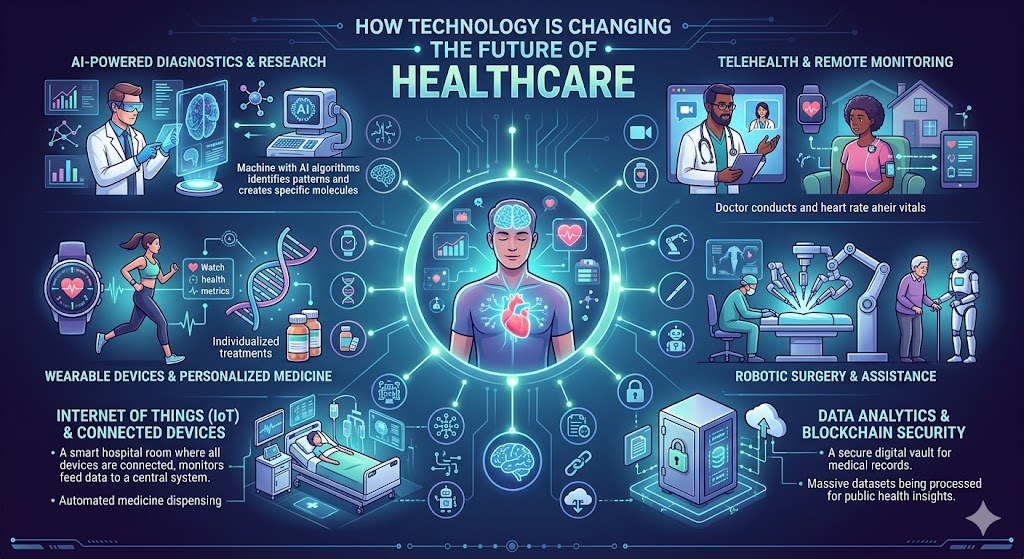
Modern technology has significantly improved healthcare education and training methods. Simulation labs, virtual reality systems, and digital learning platforms help students practice medical procedures in safe environments before working with actual patients. Artificial intelligence and advanced diagnostic tools are also becoming part of healthcare education. These innovations improve learning efficiency and prepare healthcare workers for the technology-driven future of medicine.
Communication and Compassion in Healthcare


6
In addition to medical knowledge, communication and empathy are essential skills in healthcare professions. Patients often experience fear, stress, or uncertainty during treatment, making compassionate communication extremely important. Healthcare professionals who listen carefully and provide emotional support can improve patient trust and overall healthcare experiences. Effective communication also strengthens teamwork among medical staff and contributes to better clinical outcomes.
Career Growth and Specialization Opportunities
Medical training opens the door to a wide range of career opportunities and specialties. Healthcare professionals can pursue fields such as surgery, pediatrics, emergency medicine, radiology, cardiology, and public health. Continuous education and certification programs allow professionals to expand their expertise and adapt to evolving medical advancements. The healthcare industry continues to grow globally, creating strong demand for skilled and well-trained medical professionals.
Conclusion: Building the Future of Healthcare


6
MedicalTrainingHub symbolizes the ongoing commitment to excellence in healthcare education and patient care. Through advanced training, technology, and compassionate learning environments, future healthcare professionals gain the skills needed to improve lives and support communities. As medicine continues to evolve, continuous learning and innovation will remain essential for building stronger healthcare systems and a healthier future for everyone.