The human body is one of the most sophisticated biological systems on Earth. Every second, billions of cells communicate, exchange nutrients, eliminate waste, and coordinate countless activities that allow us to think, move, breathe, and survive. These functions are organized into specialized body systems, each with distinct responsibilities yet deeply interconnected with one another.
From the heartbeat that circulates blood throughout the body to the lungs that deliver oxygen and the brain that controls every action, human body systems work together in remarkable harmony. Understanding these systems not only helps us appreciate the complexity of life but also provides valuable insights into maintaining health and preventing disease.


What Are Human Body Systems?
A body system is a group of organs and tissues that work together to perform specific functions necessary for survival. While each system has specialized roles, none operate independently. The health of one system often affects the performance of others.
Scientists generally recognize eleven major organ systems in the human body:
- Integumentary System
- Skeletal System
- Muscular System
- Nervous System
- Endocrine System
- Cardiovascular System
- Lymphatic and Immune System
- Respiratory System
- Digestive System
- Urinary System
- Reproductive System
Together, these systems maintain homeostasis—the body’s ability to maintain stable internal conditions despite changes in the external environment.
The Integumentary System: The Body’s Protective Shield
The integumentary system consists primarily of the skin, hair, nails, and associated glands. The skin is the body’s largest organ, covering approximately two square meters in an average adult.
Key Functions
- Protects against pathogens and environmental hazards
- Prevents excessive water loss
- Regulates body temperature
- Produces vitamin D through sunlight exposure
- Provides sensory information about touch, temperature, and pain
The skin contains millions of receptors that continuously send information to the brain, helping us interact safely with our environment.
Health Considerations
Maintaining skin health requires adequate hydration, proper nutrition, sun protection, and good hygiene practices. Chronic skin conditions can significantly impact overall well-being and quality of life.
The Skeletal System: Framework and Support
The skeletal system provides the body’s structural foundation. An adult human skeleton contains 206 bones connected by joints, ligaments, and cartilage.


Functions of the Skeletal System
Structural Support
Bones provide shape and support for the body, enabling upright posture and movement.
Protection
Many bones protect vital organs:
- Skull protects the brain
- Rib cage protects the heart and lungs
- Vertebrae protect the spinal cord
Blood Cell Production
Bone marrow produces:
- Red blood cells
- White blood cells
- Platelets
Mineral Storage
Bones store essential minerals such as calcium and phosphorus, releasing them when needed.
Maintaining Bone Health
Adequate calcium, vitamin D, regular exercise, and avoiding smoking contribute significantly to strong and healthy bones throughout life.
The Muscular System: Powering Movement
The muscular system consists of more than 600 muscles that generate movement and maintain body posture.
Types of Muscles
Skeletal Muscles
These voluntary muscles attach to bones and enable conscious movement such as walking, running, and lifting objects.
Smooth Muscles
Found in organs and blood vessels, smooth muscles function automatically without conscious control.
Cardiac Muscle
This specialized muscle forms the heart and continuously pumps blood throughout the body.
Importance of Muscle Health
Healthy muscles:
- Improve mobility
- Support metabolism
- Enhance balance
- Protect joints
- Contribute to overall physical fitness
Regular physical activity and adequate protein intake are essential for maintaining muscle mass and strength.
The Nervous System: The Body’s Command Center
The nervous system coordinates nearly every function in the body. It consists of the brain, spinal cord, and an extensive network of nerves.


Components of the Nervous System
Central Nervous System (CNS)
Includes:
- Brain
- Spinal cord
The CNS processes information and makes decisions.
Peripheral Nervous System (PNS)
Composed of nerves extending throughout the body, connecting organs and tissues to the CNS.
Functions
- Controls voluntary movements
- Regulates involuntary functions
- Processes sensory information
- Enables memory and learning
- Supports emotional responses
Modern Insights
Advances in neuroscience continue to reveal how the nervous system adapts through neuroplasticity—the brain’s ability to reorganize and form new neural connections throughout life.
The Endocrine System: Chemical Communication Network
The endocrine system regulates body functions through hormones, chemical messengers released into the bloodstream.
Major Endocrine Glands
- Pituitary gland
- Thyroid gland
- Parathyroid glands
- Adrenal glands
- Pancreas
- Pineal gland
- Reproductive glands
Functions
Hormones regulate:
- Growth and development
- Metabolism
- Sleep cycles
- Stress responses
- Reproduction
- Blood sugar levels
Importance of Hormonal Balance
Even small hormonal imbalances can affect energy levels, mood, metabolism, and overall health. Conditions such as diabetes and thyroid disorders highlight the importance of endocrine health.
The Cardiovascular System: Transportation Network
The cardiovascular system transports oxygen, nutrients, hormones, and waste products throughout the body.
Main Components
- Heart
- Blood
- Blood vessels
The human heart beats approximately 100,000 times daily, pumping thousands of liters of blood through an extensive network of arteries, veins, and capillaries.


Functions
Oxygen Transport
Blood carries oxygen from the lungs to tissues throughout the body.
Nutrient Delivery
Nutrients absorbed from digestion are distributed to cells.
Waste Removal
Carbon dioxide and metabolic wastes are transported for elimination.
Temperature Regulation
Blood circulation helps maintain stable body temperature.
Cardiovascular Health
Healthy habits include:
- Regular exercise
- Balanced nutrition
- Stress management
- Adequate sleep
- Avoiding tobacco use
These factors significantly reduce the risk of heart disease and stroke.
The Lymphatic and Immune System: Defense Against Disease
The immune system protects the body from infections and harmful substances.
Components
- Lymph nodes
- Lymph vessels
- Spleen
- Thymus
- White blood cells
Functions
Immune Defense
Identifies and destroys pathogens including bacteria, viruses, and parasites.
Fluid Balance
Returns excess tissue fluid to the bloodstream.
Waste Removal
Helps remove cellular debris and toxins.
Immune Health
Research suggests that sleep, nutrition, physical activity, and stress management significantly influence immune system performance.
The Respiratory System: Delivering Life-Sustaining Oxygen
Every cell requires oxygen to produce energy. The respiratory system ensures a continuous supply of oxygen while removing carbon dioxide.
Main Organs
- Nose
- Pharynx
- Larynx
- Trachea
- Bronchi
- Lungs


How Breathing Works
- Air enters through the nose or mouth.
- It travels through the respiratory tract.
- Oxygen reaches the lungs.
- Oxygen enters the bloodstream.
- Carbon dioxide is removed during exhalation.
Importance of Respiratory Health
Maintaining lung health includes:
- Avoiding smoking
- Exercising regularly
- Reducing exposure to pollutants
- Receiving appropriate vaccinations
Healthy lungs support physical performance and overall vitality.
The Digestive System: Converting Food into Energy
The digestive system breaks down food into nutrients that cells can use for growth, repair, and energy production.
Major Digestive Organs
- Mouth
- Esophagus
- Stomach
- Small intestine
- Large intestine
- Liver
- Gallbladder
- Pancreas
Digestive Process
Food undergoes:
- Mechanical breakdown
- Chemical digestion
- Nutrient absorption
- Waste elimination
The Gut Microbiome
Recent research highlights the importance of trillions of microorganisms living in the digestive tract. These microbes influence:
- Digestion
- Immune function
- Metabolism
- Mental health
Scientists increasingly recognize the gut microbiome as a major contributor to overall health.
The Urinary System: Maintaining Internal Balance
The urinary system removes waste products while regulating fluid and electrolyte balance.
Components
- Kidneys
- Ureters
- Bladder
- Urethra


Functions
Waste Removal
Kidneys filter blood and remove metabolic waste.
Fluid Regulation
Maintains appropriate hydration levels.
Electrolyte Balance
Controls concentrations of sodium, potassium, and other essential minerals.
Blood Pressure Regulation
The kidneys help regulate blood pressure through hormonal mechanisms.
Kidney Health
Proper hydration, blood pressure control, and diabetes management are critical for maintaining kidney function.
The Reproductive System: Ensuring Continuity of Life
The reproductive system enables human reproduction and supports sexual development.
Male Reproductive Organs
- Testes
- Vas deferens
- Prostate gland
- Penis
Female Reproductive Organs
- Ovaries
- Fallopian tubes
- Uterus
- Vagina
Functions
- Production of reproductive cells
- Hormone production
- Fertilization
- Pregnancy and childbirth
The reproductive system also influences many aspects of physical and emotional health through hormone regulation.
How Body Systems Work Together
No organ system functions independently. Human health depends on extensive coordination among all systems.
For example:
- The respiratory system provides oxygen.
- The cardiovascular system transports oxygen.
- The digestive system supplies nutrients.
- The nervous system coordinates activities.
- The endocrine system regulates metabolism.
- The urinary system removes wastes.
When one system experiences dysfunction, others often compensate or become affected. This interconnected nature explains why chronic diseases frequently impact multiple body systems simultaneously.
The Future of Human Body System Research
Advances in medical science continue to transform our understanding of human physiology.
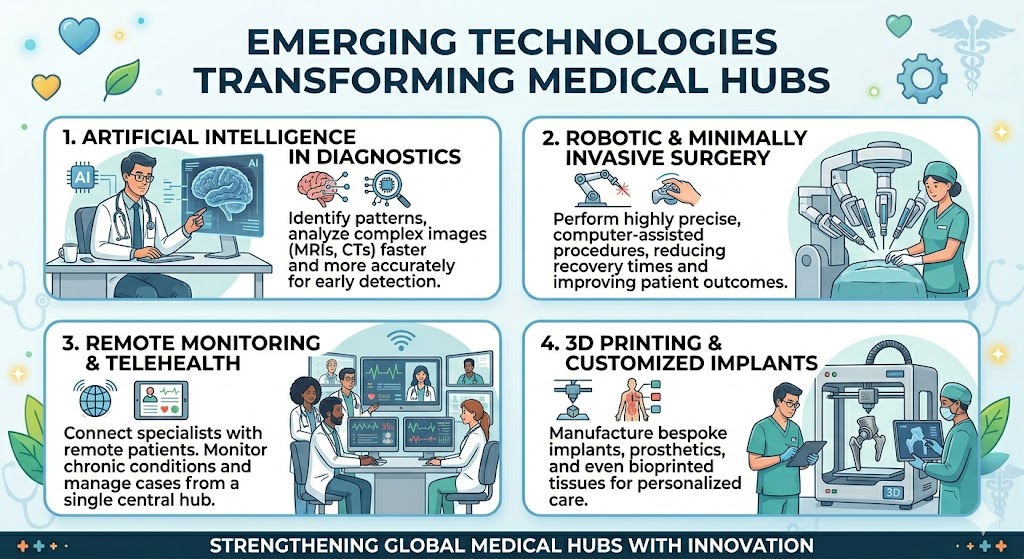
Emerging technologies include:
- Artificial intelligence in diagnostics
- Precision medicine
- Wearable health monitoring devices
- Regenerative medicine
- Gene therapies
- Organ engineering
These innovations may lead to earlier disease detection, more personalized treatments, and improved health outcomes in the coming decades.
Conclusion
The human body is an extraordinary collection of interconnected systems working together to sustain life. From the protective skin covering the body to the intricate networks of nerves, blood vessels, and organs, each system contributes to maintaining health and homeostasis.
Understanding how these systems function provides valuable insights into disease prevention, healthy lifestyle choices, and modern medical advancements. As scientific research continues to uncover new aspects of human biology, our appreciation for the complexity and resilience of the human body only grows stronger.
By caring for each body system through proper nutrition, regular exercise, quality sleep, stress management, and preventive healthcare, individuals can support lifelong health and well-being.